

The Challenge
Despite its abundant biodiversity, Sri Lanka faces increasing threats from unsustainable development, marine degradation, and climate change. Political transition adds uncertainty to conservation efforts.
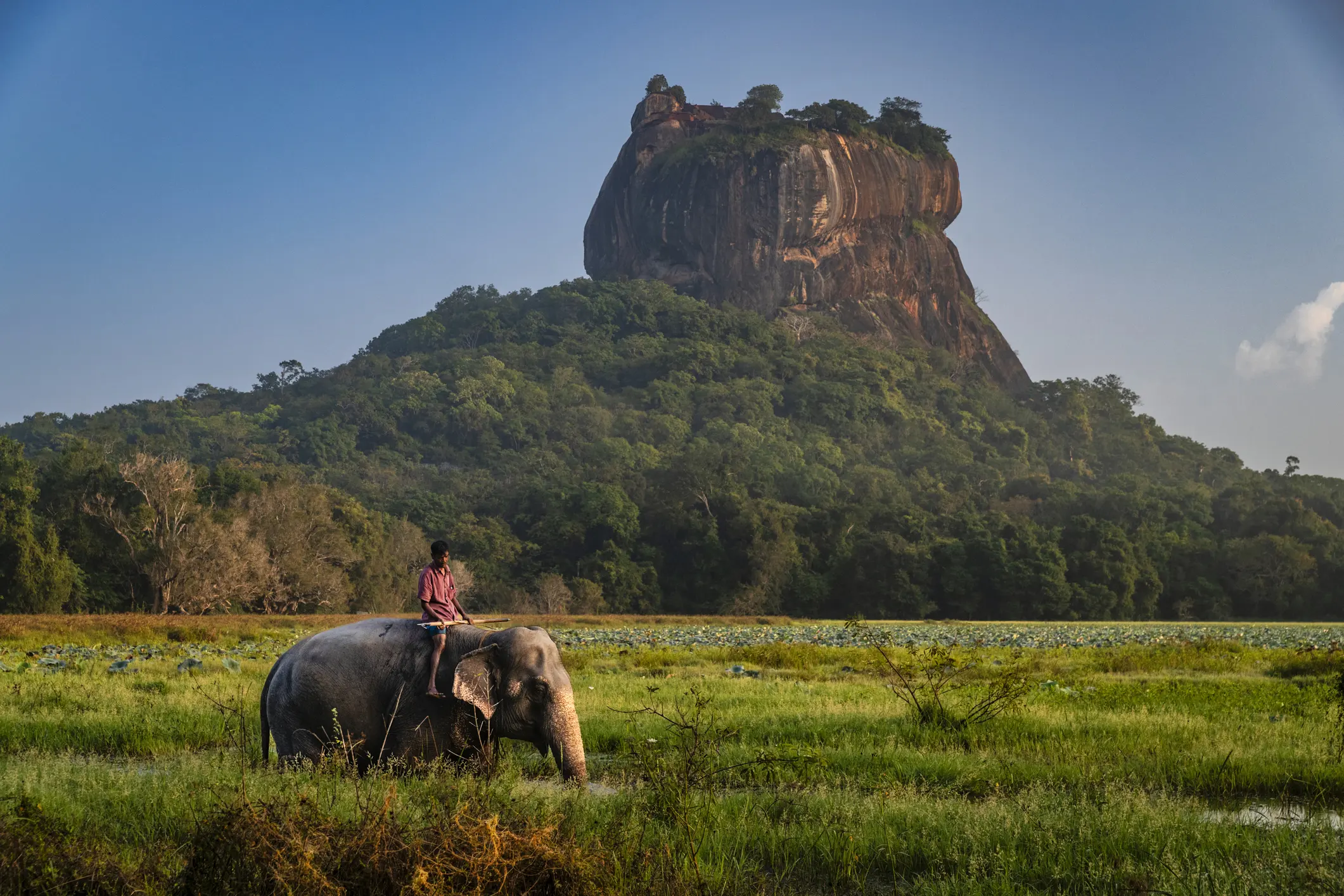
Conservation Threats
Deforestation and forest degradation
Biodiversity loss (e.g., blue whales, coral reefs)
Marine pollution and overfishing
Climate change impacts (coral bleaching, sea level rise)
Stakeholders Affected

Coastal and fishing communities dependent on marine resources for livelihoods and food security
Marine species and ecosystems, including whales, turtles, coral reefs, and mangroves
National economy, particularly fisheries and coastal tourism sectors reliant on ecosystem health
The Solution The Solution

National conservation planning (Sri Lanka 30×30 initiative)
Sri Lanka developed a comprehensive national strategy to meet 30×30 goals, balancing biodiversity protection with economic recovery. The initiative embeds conservation into national priorities and sets clear targets for land and marine protection by 2030.

Marine ecosystem protection focus
Recognising that 88% of Sri Lanka’s territory is marine, the initiative prioritises expanding Marine Protected Areas and safeguarding coastal biodiversity. This includes mangrove restoration, reef recovery, and protecting habitats critical to fish, turtles, and whales.
Strengthening local and national institutions
Key agencies like the Department of Wildlife Conservation and Ministry of Environment are being supported with new units, technical capacity, and governance frameworks to improve oversight, enforcement, and programme delivery nationwide.
Collaboration with communities, NGOs, and international partners
Coastal and fishing communities, local NGOs, and global conservation groups are deeply involved in planning and managing protection areas. These partnerships ensure inclusive solutions and lasting stewardship of marine ecosystems.
Key Actions Taken
Creation of 8 new Marine Protected Areas (~340,000 hectares underway)
Identification of an additional 320,000 hectares of critical marine habitats
Restoration of 3,000 hectares of mangroves
Implementation of science-based fisheries management
Launch of marine pollution reduction programs
Whale conservation through ship speed limits and monitoring apps
Results & Impact

210,000
hectares of new protected land targeted

223,000
hectares of forests and mangroves restored

$1.5–7.5
billion fisheries safeguarded
$500M
flood damage reduction
500
resident blue whales protected
500+
human lives saved annually

Institutional Leadership
The Presidential Secretariat and Ministry of Environment are leading Sri Lanka’s 30×30 strategy, supported by the Department of Wildlife Conservation
Collaborative Network
Local and international NGOs, along with global donors, are driving marine protection and community engagement on the ground

Anura Kumara Disanayake
Alignment with Global Goals

Convention on Biological Diversity (CBD) 30×30 Target
UN Sustainable Development Goals (SDGs) on Climate Action, Life Below Water, and Sustainable Communities
Why It Matters
Sri Lanka’s marine conservation model demonstrates how national leadership, community engagement, and international support can advance the 30×30 target even amid political and economic turbulence.
Get Involved
Support the revitalisation of Sri Lanka’s 30×30 programme and learn from its integrated marine and community conservation model—an approach worth scaling and sharing through global collaboration.